
You look at your bathroom and something feels off. The tub is not as bright as it used to be. The tile looks tired. You are not sure if it is time for a minor refresh or a major remodel.
Here is the short answer. If your bathroom surfaces show any of the five signs below, professional refinishing can restore them to like new condition at a fraction of the cost of replacement. Refinishing is faster, cleaner, and more affordable than a full renovation.
This guide will walk you through the five signs that indicate you need professional surface refinishing. You will learn what each sign means, why it matters, and what to do next. By the end, you will know exactly whether refinishing is right for your bathroom.
Key Takeaways
- Visible cracks, chips, or peeling are the most common sign refinishing is needed.
- Stains that will not come out indicate a porous, worn surface.
- Rough or pitted texture means the protective finish has worn away.
- Mold or mildew in caulk lines signals moisture problems that refinishing can seal.
- Outdated color or style can be updated with refinishing instead of replacement.
- Professional refinishing costs 70 to 80 percent less than replacement.
- Most refinishing jobs are completed in 1 to 3 days.
Sign 1: Visible Cracks, Chips, or Peeling
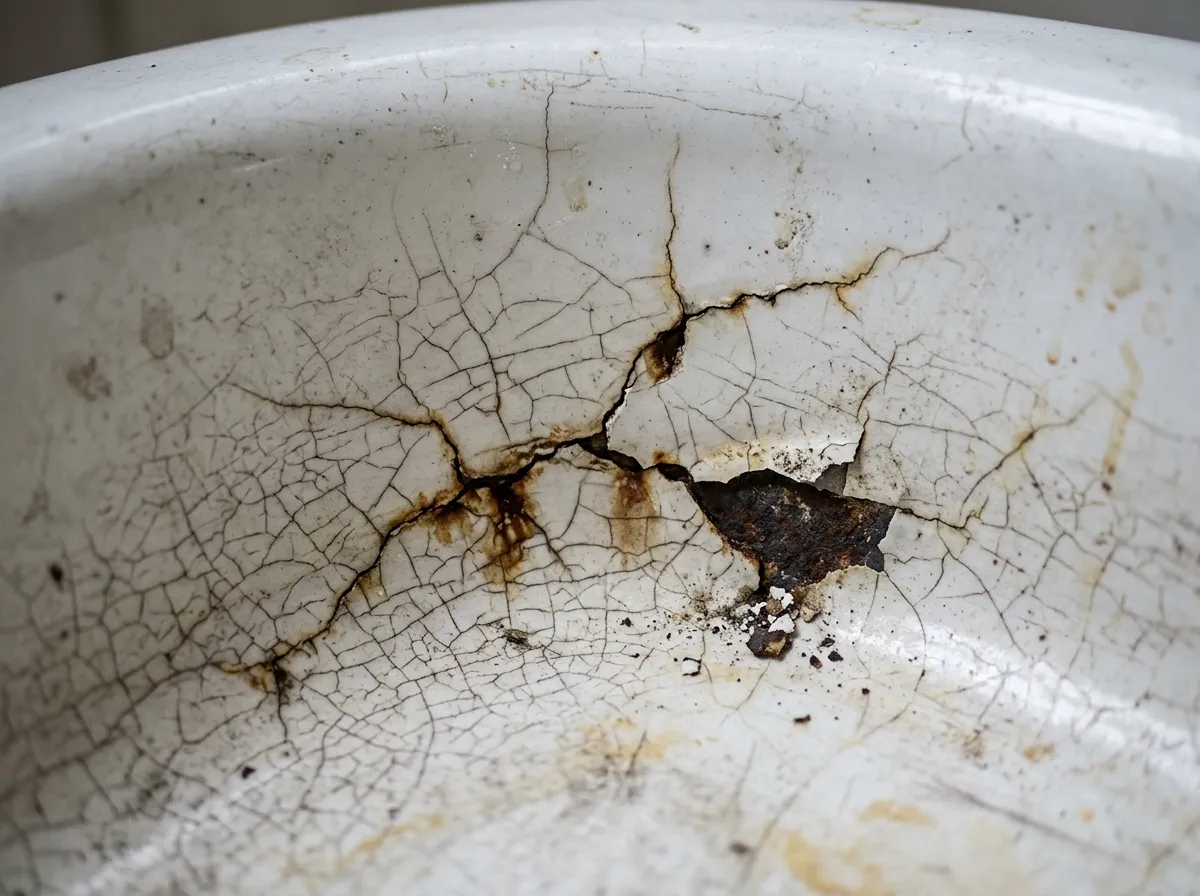
This is the most obvious sign. If you can see cracks, chips, or peeling on your bathtub, tile, or sink, it is time to act. These are not just cosmetic issues. They can let water seep beneath the surface, leading to rust, mold, and further damage.
Chipped porcelain can also have sharp edges. These can cause cuts. Peeling finish creates rough spots that are hard to clean. Over time, the damage spreads.
Professional refinishing repairs these issues. The technician fills cracks and chips, sands the surface smooth, and applies a durable coating that seals everything. The result is a safe, smooth, and beautiful surface. For more on what to do if your tub is damaged, read what to do if your tub is damaged.
Sign 2: Stains That Will Not Come Out
You have tried every cleaner on the shelf. The stains remain. This is a sign that the surface has become porous. When the protective finish wears down, dirt, minerals, and soap scum penetrate the material. No amount of scrubbing will remove them.
Stains are more than an eyesore. They indicate that the surface is no longer sealed. This makes it harder to clean and more prone to bacteria growth. Refinishing covers the stains completely and restores a non porous finish that resists future staining.
Sign 3: Rough or Pitted Texture
Run your hand over the surface of your bathtub or tile. Does it feel smooth? Or does it feel rough, like sandpaper? A rough or pitted texture means the finish has worn away. This can happen from years of use, harsh cleaners, or hard water.
A rough surface traps dirt and bacteria. It is also uncomfortable to sit or stand on. Refinishing restores a smooth, glossy finish. You get a surface that is easy to clean and pleasant to touch.
Sign 4: Mold or Mildew in Caulk Lines
Black or dark spots along the caulk line or in grout are a sign of mold or mildew. This often means water is getting behind the caulk or into cracks. Mold can cause health problems, especially for people with allergies or respiratory conditions.
If you see mold, do not just scrub it away. The problem will return unless the source of moisture is sealed. Professional refinishing includes removing old caulk, repairing any damage, and applying a new coating that seals the surface. This prevents mold from returning. To ensure your safety is our priority, consider professional refinishing.
Sign 5: Outdated Color or Style
Maybe your tub is harvest gold. Maybe your tile is pastel pink. Maybe you just want a modern white or a custom color. Outdated colors and styles make a bathroom feel old.
Refinishing lets you change the color of your bathtub, tile, and sink without replacement. You can match any color scheme. This is one of the most affordable ways to update your bathroom’s look. And it keeps your existing fixtures out of the landfill.
What to Do After Confirming You Need Refinishing
If you recognized one or more of these signs, you likely need professional refinishing. The next step is to schedule an assessment. A professional will inspect your surfaces and confirm whether refinishing is the right solution.
Before you book, it helps to budget for your refinishing project. Understanding the cost range will help you plan. Refinishing is much cheaper than replacement, but you should know what to expect.
When you are ready to move forward, schedule a professional assessment. A technician will evaluate your bathroom and provide a detailed quote.
The Regrets Homeowners Mention Most
We talk to homeowners every week. Here are the regrets they share about waiting too long to refinish.
Mistake 1: Ignoring small cracks and chips. Many homeowners think a small chip is just cosmetic. They do not realize it can lead to rust, mold, and bigger problems. By the time they address it, the damage has spread.
Mistake 2: Trying to fix damage with DIY kits. DIY repair kits often fail. They do not seal the damage properly. Mold and rust can return. Homeowners end up paying a professional to fix it correctly.
Mistake 3: Waiting until the surface is severely damaged. Some homeowners wait until the tub is peeling or deeply cracked. At that point, refinishing may be more difficult or even impossible. Early action saves money and hassle.
Mistake 4: Choosing the cheapest quote. Low prices often mean less prep work and cheaper materials. The finish fails within a year or two. Then you have to pay again to fix it. Always check reviews and warranties.
Mistake 5: Not asking about warranty. A one year warranty sounds fine until something goes wrong. A good refinisher offers at least 2 to 5 years of coverage. Ask before you book.
Common Questions About Bathroom Refinishing Signs
What is the most common sign that I need bathroom refinishing?
Visible cracks, chips, or peeling are the most common sign. These indicate that the surface is damaged and no longer sealed. Refinishing repairs and seals the surface.
Can I refinish a bathtub with mold in the caulk lines?
Yes. Professional refinishing includes removing old caulk, treating any mold, and applying a new coating. This seals the surface and prevents mold from returning.
Is refinishing worth it for a stained bathtub?
Yes. Refinishing covers stains completely and restores a non porous finish. It is much cheaper than replacement and delivers a like new look.
How do I know if my tile needs resurfacing?
If your tile is stained, discolored, rough, or outdated, resurfacing can restore it. Chipped or cracked tile can also be repaired and refinished.
Can I change the color of my bathroom fixtures with refinishing?
Yes. One of the biggest advantages of refinishing is the ability to change colors. You can match any design scheme without replacing fixtures.
What should I do if I see multiple signs of damage?
If you see multiple signs, it is likely time for professional refinishing. Schedule an assessment to get an accurate diagnosis and quote.
Is refinishing always better than replacement?
For structurally sound fixtures, refinishing is almost always better. It costs less, takes less time, and is more eco friendly. However, severe structural damage may require replacement.
Conclusion: Is It Time to Refinish?
You now know the five signs that indicate you need professional surface refinishing. If you recognized any of them in your bathroom, do not wait. Small problems become big ones over time.
Refinishing is a smart, affordable, and fast way to restore your bathroom. It saves you money compared to replacement. It also keeps old fixtures out of landfills.
If you are still asking yourself, is it time to refinish?, the answer is likely yes. When you are ready to take the next step, schedule a professional assessment. And if you want to know for sure, is it time to refinish? Contact New Surface CA today for a free estimate.
Your bathroom can look new again. Take the first step today.