
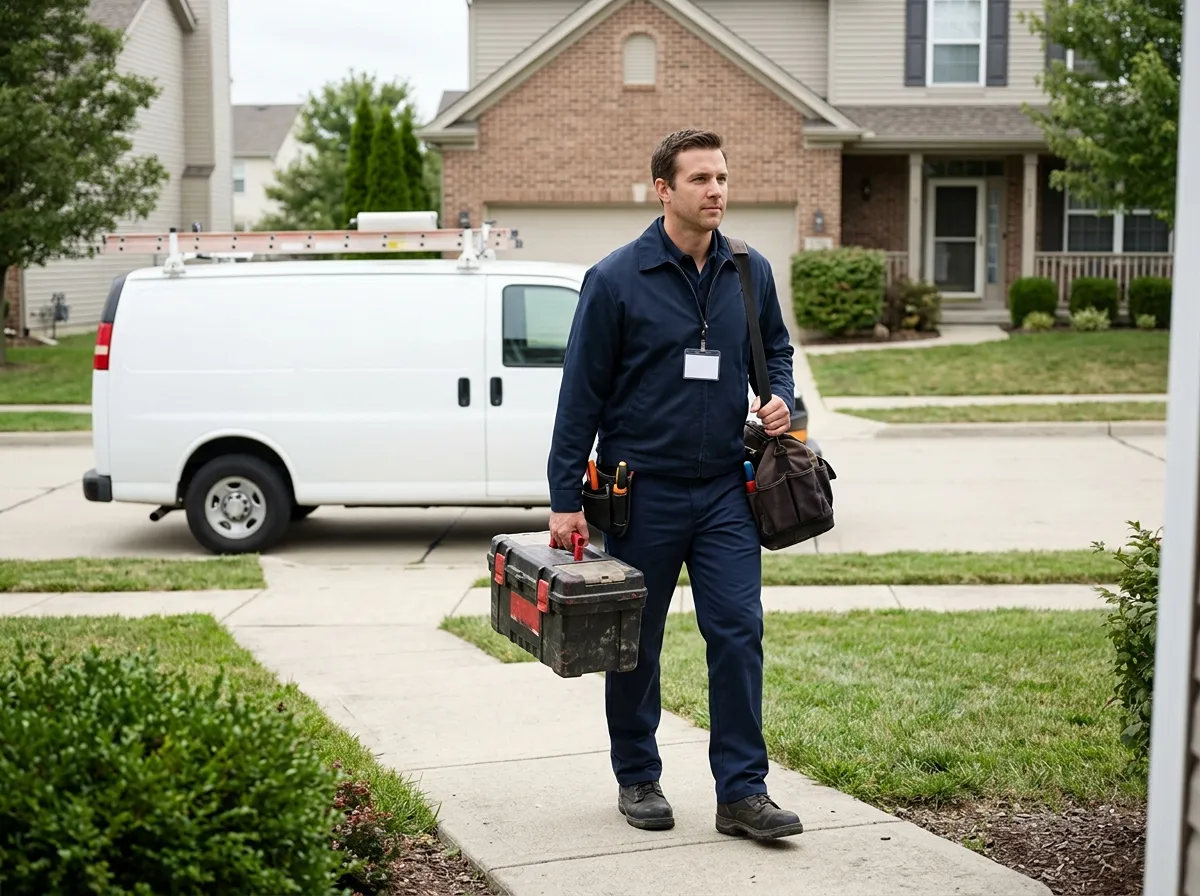
Have you ever wondered what actually happens when a professional refinisher comes to your home? You know they will make your tub look new. But what do they do all day? How do they turn a worn, stained surface into something beautiful?
Here is the short answer. A professional bathtub refinisher is part technician, part artist, and part problem solver. Their day involves preparation, repair, coating, and quality control. It is physical work that requires precision, patience, and years of experience.
In this guide, we take you behind the scenes. You will follow a typical day from start to finish. You will learn the steps, the skills, and the craftsmanship that go into every job. By the end, you will understand why professional refinishing is worth every penny.
Key Takeaways
- A professional refinisher typically completes one to two jobs per day.
- Preparation is the most time consuming and important part of the job.
- The process includes cleaning, repairing, sanding, masking, coating, and curing.
- Professionals use industrial grade materials that last 10 to 15 years.
- Each job requires problem solving and attention to detail.
- Safety and ventilation are critical on every job site.
- The result is a surface that looks and feels brand new.
What Does a Professional Bathtub Refinisher Do?
A professional bathtub refinisher restores worn, damaged, or outdated bathroom surfaces. They work on bathtubs, tile, sinks, and sometimes countertops. Their job is to make old fixtures look new again without the cost and waste of replacement.
But the title does not capture everything. These professionals are also:
- Surface preparation experts
- Repair technicians
- Coating specialists
- Problem solvers
- Customer service representatives
They must understand different materials like porcelain, ceramic, fiberglass, and cast iron. They must know how each surface behaves and what it needs. They must also be able to explain the process to homeowners and answer their questions.
A Typical Day: Step by Step
Every job is different, but the general flow is similar. Here is what a typical day looks like.
Morning: Arrival and Setup
The day starts early. The refinisher arrives at the customer’s home with all their equipment. This includes sprayers, sanders, masking materials, coatings, and safety gear.
The first step is a walkthrough. The refinisher inspects the tub or surface to be refinished. They confirm the scope of work and answer any last minute questions from the homeowner.
Then they set up. This means protecting the surrounding area. Floors, walls, and fixtures are covered with drop cloths and plastic sheeting. Ventilation is established. Safety is always the priority.
Midday: Preparation and Repair
This is where the real work begins. Preparation is the most important part of the job. If the surface is not properly prepared, the coating will fail. Professionals spend more time on prep than on application.
The steps include:
- Cleaning the surface to remove soap scum, minerals, and residue
- Repairing chips, cracks, and rust
- Sanding or etching the surface to create a bond
- Masking off areas that should not be coated
This stage can take several hours, depending on the condition of the tub. A badly damaged tub requires more repair work. To see the full restoration process in detail, you can read the full restoration process.
Afternoon: Application and Coating
Once the surface is prepared, it is time to apply the coating. The refinisher mixes the materials according to the manufacturer’s specifications. Then they apply multiple coats using a professional sprayer or brush.
Each coat must be applied evenly. The refinisher checks for drips, runs, and thin spots. They also monitor the temperature and humidity, which affect how the coating cures.
After the final coat, the surface needs time to cure. The refinisher explains the curing time to the homeowner. Usually 24 to 48 hours.
Late Afternoon: Cleanup and Final Inspection
After application, the refinisher cleans up the work area. They remove masking and protective coverings. They inspect the finished surface for any imperfections.
If everything looks good, they walk the homeowner through the care instructions. They explain how to clean the surface, what products to avoid, and when it is safe to use. They also provide warranty information.
Then they pack up and head to the next job or home for the day.
The Skills and Tools of the Trade
Professional refinishing is not a simple DIY project. It requires specific skills and tools.
Skills
- Knowledge of surface materials and coatings
- Precision and attention to detail
- Problem solving for unexpected issues
- Physical stamina for long days on your feet
- Customer service and communication
Tools
- Professional spray equipment
- Sanders and sanding blocks
- Masking materials and protective coverings
- Industrial grade coatings and primers
- Safety gear including respirators and gloves
These tools and skills are not something you pick up overnight. Professionals train for years to master their craft.
The Craftsmanship Behind the Process
What separates a good refinisher from a great one? Craftsmanship. It is the difference between a surface that looks okay and one that looks flawless. It is the difference between a coating that lasts two years and one that lasts fifteen.
Craftsmanship means taking the time to do it right. It means not rushing the prep work. It means applying each coat with care. It means checking every detail before calling the job done.
It also means being honest with the customer. If a tub is too damaged to refinish, a great refinisher will say so. They will recommend replacement instead of taking the job and delivering poor results.
To learn more about the artistry involved, read about the artistry behind the process.
Why Professional Refinishing Matters
You might wonder why you should hire a professional instead of doing it yourself. Here is why it matters.
According to the National Association of Home Builders, the average bathroom remodel costs around $25,000. Professional refinishing costs a fraction of that and delivers results that last.
According to the U.S. Environmental Protection Agency, construction and demolition debris accounts for more than twice the amount of municipal solid waste in the United States. Refinishing keeps old fixtures out of landfills.
According to the California Air Resources Board, strict VOC limits apply to architectural coatings. Professional refinishers use low VOC products that meet these standards.
| Factor | DIY Kit | Professional Refinishing |
| Cost | $50 to $150 | $400 to $800 |
| Lifespan | 1 to 2 years | 10 to 15 years |
| Prep Work | Minimal | Extensive |
| Materials | Low grade | Industrial grade |
| Warranty | None | 2 to 5+ years |
| Results | Often uneven | Smooth and durable |
The table makes it clear. Professional refinishing is an investment that pays off.
The Regrets Homeowners Mention Most
We talk to homeowners every week. Here are the regrets they share about hiring a refinisher.
Mistake 1: Choosing the cheapest quote. Low prices often mean less prep work and cheaper materials. The finish fails within a year or two. Then you have to pay again to fix it. Always check reviews and warranties.
Mistake 2: Not asking about the process. Some homeowners do not ask how the refinisher prepares the surface. They later learn that shortcuts were taken. Ask about each step before you book.
Mistake 3: Trying to watch and learn for DIY. Some homeowners think they can watch a professional and then do it themselves. Refinishing requires specialized equipment and training. Watching is not enough.
Mistake 4: Ignoring the curing time. Using the tub before the coating has fully cured can damage the surface. Wait the full 24 to 48 hours recommended by your refinisher.
Mistake 5: Not asking about warranty. A one year warranty sounds fine until something goes wrong. A good refinisher offers at least 2 to 5 years of coverage. Ask before you book.
Common Questions About Professional Bathtub Refinishing
What does a professional bathtub refinisher do all day?
A refinisher travels to customer homes, prepares surfaces, repairs damage, applies coatings, and inspects their work. They also communicate with homeowners and ensure safety on the job site.
How long does a refinishing job take?
Most jobs take 1 to 2 days. The actual work is a few hours, but curing takes 24 to 48 hours. Larger jobs with multiple surfaces may take longer.
What skills does a refinisher need?
A refinisher needs knowledge of materials and coatings, precision, problem solving skills, physical stamina, and good customer service. Training and experience are essential.
Do I need to leave my home during refinishing?
No. You can stay in your home. The refinisher will set up ventilation and use low VOC products to minimize odors. However, you may want to avoid the bathroom area during application.
How long does the coating last?
With proper care, a professionally applied coating lasts 10 to 15 years. Some homeowners get even longer results.
What should I ask a refinisher before hiring?
Ask about their experience, materials, warranty, and prep process. Ask for references and photos of past work. A good refinisher will answer all your questions.
Is professional refinishing worth the cost?
Yes. Professional refinishing costs 70 to 80 percent less than replacement and lasts for years. It is safer, more reliable, and comes with a warranty.
Conclusion: Experience the New Surface CA Difference
A day in the life of a professional bathtub refinisher is filled with hard work, precision, and craftsmanship. From early morning setup to final inspection, every step matters. The result is a beautiful, durable surface that transforms your bathroom.
If you are ready to work with experts who care about quality, you can meet our expert refinishers. When you choose us, you experience the New Surface CA difference. Your bathroom will look amazing, and you will know the job was done right.
Take the next step today. Contact New Surface CA for a free estimate.